Blog / Ed Martin Nissan Service

3 Reasons to Work With a Factory-Trained Nissan Mechanic

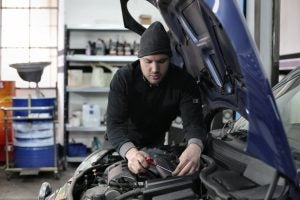
All cars need services and repairs now and then, from routine oil changes to urgent brake system fixes. When your Nissan is in need of repair, you have two choices: work with an official Nissan mechanic at your local Indianapolis dealership or seek out the services of an independent or third-party mechanic instead. This guide will go over some key reasons to work with factory-trained mechanics every time.

3 Reasons to Work With a Factory-Trained Nissan Mechanic

1. The Best Parts and Tools

When you want to do a job correctly, it makes sense to use the very best parts and tools. This is very true when it comes to carrying out car repairs. If good quality parts and tools are used, there shouldn't be any cause for concern. But if low-quality tools or inferior parts are used, the job might not get the best results and could lead to additional costs and problems with the car.

If you go to an official Nissan-trained mechanic, they'll always make use of the finest tools and official OEM (original equipment manufacturer parts) to get your vehicle back in perfect working order. If you work with an independent mechanic, they might not have access to the same tools and parts. They may use generic parts instead of OEM parts, for example, which tend to be less reliable in the long term.

2. Preserving Your Warranty

If your Nissan is still under warranty, you should take a look at the small print in your policy before getting any repair work carried out. Many warranty policies actually won't apply if your vehicle gets damaged after being worked on by an unauthorized or independent mechanic. So if anything goes wrong, you might have to cover the extra costs.

If you work with an official Nissan technician, you won't have anything to worry about. In the unlikely event that anything does go wrong during or after the repair process, the warranty will cover you for any additional costs, saving you a lot of stress and inconvenience in the process.

3. Unparalleled Experience and Expertise

Even though many cars appear similar and have the same basic features and systems, they're all different. Each brand has its own ways of doing things and its own unique designs. It makes sense, therefore, to work with a true Nissan expert when your Nissan needs repair.

Factory-trained mechanics are the best experts in this field. They know Nissan cars better than anyone and are able to quickly identify issues and carry out the necessary repairs with maximum efficiency. Independent or third-party mechanics can be highly skilled too, but they work with lots of different types of cars, so don't have that same level of Nissan expertise.

These are just a few reasons why Nissan's official, factory-trained mechanics are always the best people to carry out the repairs you need. They can provide the highest standards of service, offering top value for money and total peace of mind every time. Call Ed Martin Nissan today to schedule essential repairs and services for your car.
Posted in:

Related Posts

What to Do When Your Nissan Needs a Radiator Repair

What to Do When Your Nissan Needs a Radiator Repair

Nissan vehicles have a very reliable radiator and engine cooling system. But even the most durable of cars can eventually run into radiator problems, especially without proper maintenance. If your radiator begins to malfunction, your coolant will stop doing its job and your engine will start to overheat. You might sometimes be able to fix radiator issues yourself, but you'll usually need to visit your local Nissan dealer for professional radiator repair. more Signs of Radiator Trouble If your radiator is failing, you're likely to notice signs of your engine overheating. The engine temperature gauge on your dashboard will begin to steadily rise, even under ordinary driving conditions. In addition, your hood will become hot to touch, you'll hear pinging or knocking sounds from the engine, and you might even see smoke or steam coming from under the hood. Keep an Eye on Your Coolant Other indicators of radiator problems become apparent in your coolant fluid. If your ordinarily green or blue coolant has turned a rusty brown or oily color, then you most likely have a build-up of sludge inside your radiator, which is contaminating the coolant. If you notice coolant pooling under your vehicle or your coolant level is persistently and inexplicably falling, then you probably have a leak. Most coolant leaks originate somewhere in the radiator or its hoses. Fixing Your Own Radiator If you're handy with tools and know your way around a car engine, then you might be able to repair your own radiator. If you identify the source of a leak, you may be able to solder the hole to fix it. And if you find a patch of new rust, you should be able to clean it away with a proper cleaning product, as long as the rust hasn't yet begun to cause structural damage. Changing Your Radiator If your radiator is so damaged that it's easier to replace than repair, then it's probably best to have a trusted technician carry out the task. Again, if you're experienced and confident enough with under-the-hood work, you can try to replace it yourself, provided you can find a radiator of just the right size and shape. Taking It to Your Local Nissan Dealer Given how crucial your radiator is to the health of your engine, it's usually worth taking any radiator problems to a professional at your local dealership. They'll likely be the first to identify radiator problems anyway when they check your coolant during your regular car inspections. To thoroughly examine a radiator, a technician must inspect and pressure test the whole cooling system. They'll examine and test your thermostat, fan, radiator cap, hoses, connections, and every other component. They'll then fix any problems they find with the right tools, parts, and know-how. For prompt radiator repair by experienced professionals, pay a visit to Ed Martin Nissan. We're a trusted local dealership that provides a one-stop shop to the region's Nissan drivers with consistently outstanding value and customer service. image courtesy of pexels.com

6 Common Signs Your Nissan Could Use a Brake Repair

6 Common Signs Your Nissan Could Use a Brake Repair

Nissan vehicles are stylish, reliable, and safe. However, as with any other vehicle, you must perform regular maintenance on it to keep it running at its very best. Brakes are just one thing that can wear down over time and will eventually need replacing. So, it's important to know the signs to look for that tell you it's time to head to your Nissan dealer for a brake repair. 6 Common Signs Your Nissan Could Use a Brake Repair more 1. Your Brakes Aren't Working Like They Usually Do Anytime you notice a difference in how your brakes work get them checked immediately. This can mean that you need to press your brakes harder to come to a stop, or your car takes longer to start slowing down when you apply your brakes. Your brake pads are likely worn down and they should be changed before they create more issues. 2. Your Brake Pedal Feels Different When You Push It If your brake pedal feels softer or spongier when you push it this can mean that brake fluid is leaking within your braking system or that your brake pads are worn down too far. Either way, it's important to get your vehicle checked out immediately. 3. Your Brakes Make Noise When You Use Them Hearing a squealing or grinding noise when you apply your brakes means they need attention as soon as possible. This often means your brake pads are worn down quite far. Typically, you can get away with changing only your brake pads at this point, however, waiting may damage more parts of your brakes. 4. Your Brakes Smell When You Use Them If you notice an occasional burning smell coming from your brakes when you've been driving slowly down a large hill or stuck in traffic, this simply means they're overheated. Pull over until they cool down. However, if you notice this burning smell coming from your brakes often, especially if you're not in a situation where your brakes may be overheated, get them checked out immediately. 5. Your Brake Warning Light Is On Your vehicle is designed to warn you of any issues that come up. If your brake warning light comes up or if you have a newer model and get an email or text notification for brake service, this means you need to act as soon as possible before there's more damage. 6. Your Nissan Dealer Tells You to Get New Brakes The mechanic at your dealership will check out all the parts of your brakes during your regular maintenance visits and will let you know when it's time to change any or all parts of your brakes. At Ed Martin Nissan our award-winning team will be happy to help you find your next new or used vehicle. We'll ensure you get the best vehicle for your family, and we will help you maintain it, so you'll be happy for years to come. We'd love for you to stop by or contact us at Ed Martin Nissan today to book your next service appointment, ask any questions, or start your vehicle buying journey. image courtesy of pexels.com

Does Your Nissan Need an Alternator Repair?

Does Your Nissan Need an Alternator Repair?

The alternator is essential to your car. It keeps the battery fully charged and provides power to all the electrical devices in your car. If the alternator starts to fail, it won't charge your battery, and your battery will also die. As your Nissan dealer, we don't want you to be stranded with a dead alternator and battery. These are some of the signs to watch for that you'll need an alternator repair before it fails. Do You Need an Alternator Repair at Your Nissan Dealer? more Headlight Problem One of the signs of a failing alternator is strange behavior by your car's headlights. When you turn on your lights they should maintain a constant beam, but if the alternator is damaged, you can experience dim headlights followed by overly bright headlights. The reason for this is reduced electrical output from the alternator. When an alternator starts to fail, it isn't able to provide as much power as it previously did, but your car's electrical demands remain the same. The reduced electrical output forces the alternator to prioritize power allocation, and this can cause your lights to suddenly dim. To compensate for this, the alternator will shift more power to the lights and they will suddenly grow brighter than they should. The varied power supply will also damage your headlight bulbs and cause them to burn out faster, as the bulbs require a consistent level of power. Difficulty Starting Your Nissan should start as soon as you turn the key. The starter requires a charge from the battery to crank your engine, but the battery only has a limited electrical storage capacity. Your alternator charges the battery when your car is moving and this keeps the battery at full capacity. When an alternator starts to fail, it loses it starts to lose its ability to effectively charge the battery. If your alternator fails, the battery will not be able to recharge and it will start to lose power itself. A slow crank means your battery has an insufficient charge to immediately start your engine, and the most likely cause of this is a damaged alternator. Electrical Problems An electrical issue, for example, a seat heater that fails to come on and then suddenly works properly could just be a random issue. If you notice, however, that peripheral devices in your car are failing for no apparent reason, this may be a sign that your alternator is failing. The alternator supplies the power for all your car's devices, but when it starts to weaken it lacks the power to maintain all of the devices you need. Your alternator will always show signs that it's wearing out, and this gives you time to get a replacement before it fails completely. When your Nissan shows any of these signs, or something just doesn't feel right with your car, call us right away at Ed Martin Nissan. Our specialized mechanics will be happy to check your alternator and give you any information you may need. image courtesy of pexels.com